The One Unsuccessful Chinese Export: Nuclear Energy
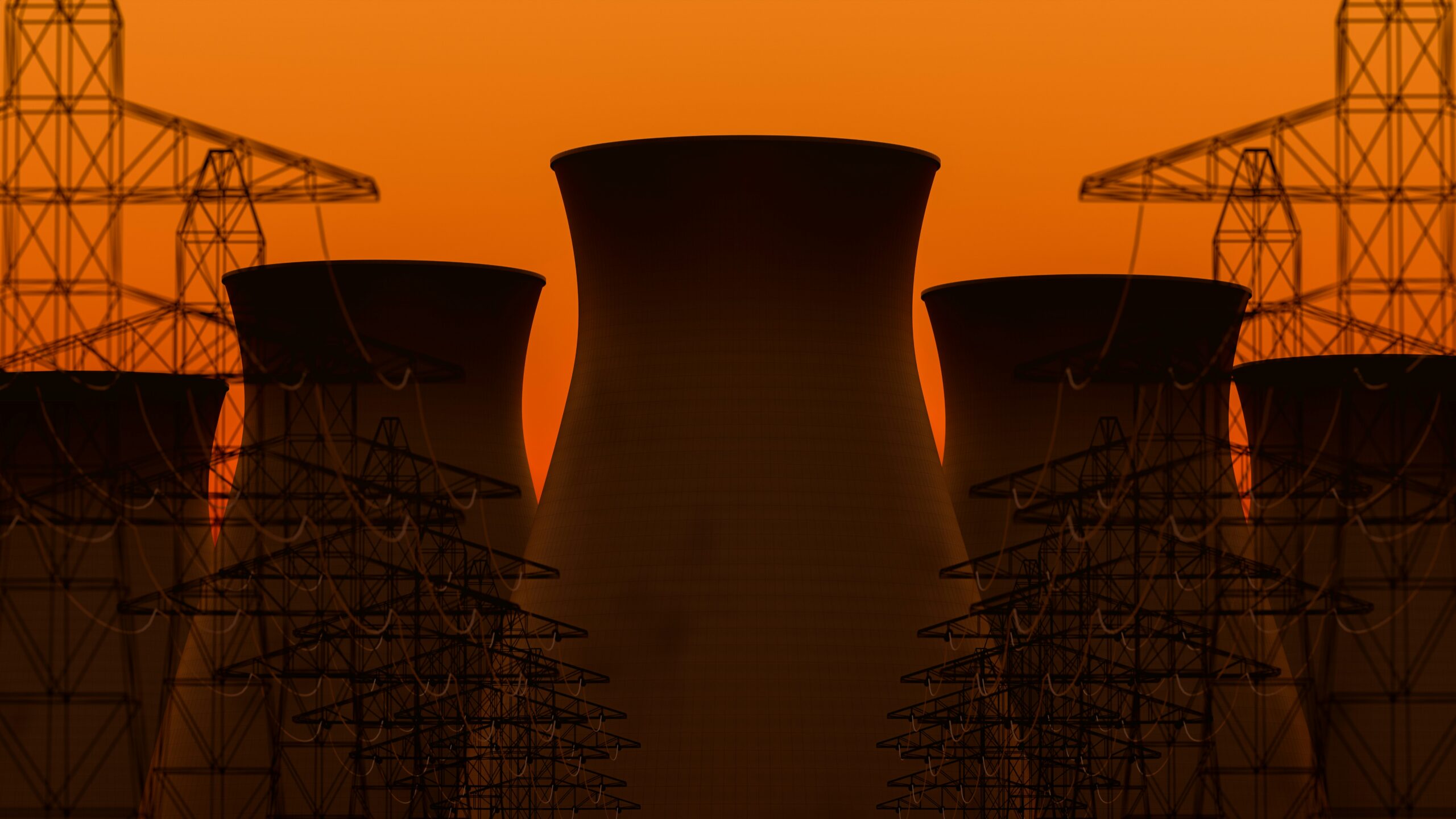
Nuclear energy is making a global comeback. While it would have been unimaginable just a few years ago, countries around the world are looking to recommission older reactors, build additional units, or construct their very first nuclear power plant. China, the world’s largest builder of nuclear reactors, has long sought to export its technology by building reactors abroad through the Belt and Road Initiative, though so far with limited success. Nuclear exports remain an important tool for advancing economic interests and political influence, which is why Beijing is likely to keep trying.
Beijing’s New Nuclear Reactor Fleet
According to the World Nuclear Association, China currently has 62 operable reactors producing around 62 GWe, 39 reactors under construction, and multiple approved projects in the pipeline. Nuclear energy featured prominently in both the 13th and 14th Five-Year Plans (FYP). Both plans presented ambitious targets that, interestingly, China missed. Nuclear expansion also remains a priority in the newest FYP, which sets an ambitious goal to reach 110 GWe of nuclear capacity by 2030, aiming to surpass the US as the world’s largest producer of nuclear power. This target will likely not be met on schedule due to time constraints of the reactor building process, which takes around six years for China National Nuclear Corporation (CNNC). Although it is much faster than the global average of nine years, China will still not be able to complete the projects until 2030, most likely achieving the planned capacity only by 2033.
This opens a question: why does Beijing continue setting nuclear energy targets that it likely knows cannot be achieved? While the answer remains unclear, it could be to signal a strong intent and commitment to the complex process that comes with large infrastructure projects, including financing, supply chain investment, and policy coordination. Another possible reason is geopolitical signaling to the world, and the US, emphasizing the narrative of technological leadership and energy security ambitions.
Leading in technology is central to China’s aspirations, and the nuclear industry is no exception. In its early stages, China’s civilian nuclear program relied on foreign technology. Currently, most of the units in the pipeline are based on indigenous designs and rely on domestically manufactured materials and parts. This represents a large achievement, as only a handful of countries are capable of such a task. The Hualong One reactor is a particular source of pride.
Despite the large-scale build-up and technological advancement, nuclear energy still generates less than 5 percent of China’s electricity. Other clean energy sources – wind, solar, and hydropower – account for 25 percent of all electricity generation, and also fare better when it comes to exports.
China’s Reactors in Pakistan, Argentina, and Kazakhstan
Pakistan has been the most enthusiastic and only international customer for Beijing’s civilian nuclear industry. CNNC has built 6 operable reactors of Chinese design in Pakistan, and provided much of the funding. With the ongoing construction of a seventh unit, Pakistan is the only successful case of China’s nuclear power plant exports.
Although Beijing has not been selected for many other projects, CNNC did manage to sign a $15 billion contract with Argentina in 2015 to build two nuclear reactors, one of them a Hualong One. Originally, China agreed to provide 85 percent of the financing along with a massive currency swap as backup. In 2022 Argentina asked China for full funding and the whole deal ultimately collapsed, as under Javier Milei, Argentina aligned more closely with the US, and began looking to Washington as a nuclear energy partner instead. Milei suspended the China-led project and signed Argentina up for US-led Small Modular Reactor (SMR) initiative in 2025.
In other regions, such as Central Asia, China is not competing with the US, but it is no easier to get new customers for nuclear reactor exports. As in other areas, the region is significantly linked to Russia through Soviet-era cooperation. Last year, Kazakhstan declared that CNNC would build two new reactors for the country, while Rosatom will build one. While the details remain unclear, compared to Western suppliers, both China and Russia have the advantage of offering cheap state-backed financing and the so-called turnkey delivery, which is persuasive. For China, besides building closer ties with the Central Asian country, which is also the world’s largest uranium producer, the successful implementation of these projects could present a flagship nuclear project abroad, opening the door to other markets. For Kazakhstan, dividing the projects between the two regional nuclear powers maintains balance and opens space for maneuvering. However, it is too early to tell whether the deal and construction will be completed.
Who Builds Your Nuclear Reactor Matters
Both the Argentinian and Kazakh cases demonstrate the centrality of geopolitics and financing in governments’ decisions about who builds their nuclear power plant. However, the decision-making process is further influenced by questions of security and long-term dependency on the provider, where China and Russia both fare worse than Western suppliers. As the corporation in charge of building the power plant is also responsible for its maintenance, fuel supply and personnel training during the unit’s multidecade lifespan, dependency on the provider is created.
This dependency model is well-known in CEE, with the Czech Republic, Slovakia, Hungary and Bulgaria all relying on Russian-built VVER reactors for electricity generation. The importance of nuclear energy in generating electricity is large, ranging from around 40 percent in Czechia to 60 percent in Slovakia. The region thus remains intertwined with the Russian state nuclear energy corporation Rosatom due to fuel supply needs. Each country takes a different approach to the dependency: while Slovakia has been blocking sanctions on Rosatom, Czechia understood the underlying national interests and excluded both China and Russia from its nuclear tender in 2021.
Being an international nuclear power provider is thus not only about generating profit, but also building influence. A recent report by Bellona uncovered that despite Western sanctions on the Russian energy industry, Rosatom’s international operations remain resilient and its role as a strategic component of Russian geopolitical influence has only deepened since 2022. Moreover, Rosatom continues to be a reputed player in the field, maintaining a number of projects in countries with weaker independent oversight. These developments are likely noted by Beijing.
Another dependency-reinforcing mechanism available for China’s prospective nuclear playbook is funding. Through its largely state-run economy, China can mobilize finances and offer generous loan terms. Nevertheless, an alternative to this model is now taking shape – the World Bank announced that after a decades-long pause, it will again fund nuclear energy projects. This is a potentially significant competing source of funding, which could swing some developing countries away from China’s offers to fund, for example, SMR projects.
External Shocks Might Increase Demand for Nuclear Energy
Developing and developed countries alike have been affected by the Strait of Hormuz crisis, which deepens concerns about energy security. As consumers have already shown a strong preference for replacing their internal combustion engine-powered cars for electric vehicles and powering their homes through solar, governments might follow suit with nationwide solutions. Since nuclear energy is a strong contender, this could unlock new opportunities for China. While still in the making, if China’s civilian nuclear industry were to succeed abroad, it would give Beijing international prestige, deeper influence, and larger leverage in international governance of nuclear regulation.
Written by

Paulína Ovečková
Paulína Ovečková is an analyst at China Observers in Central and Eastern Europe (CHOICE) and MapInfluenCE projects. She specializes in Chinese foreign policy, political economy, media influence, migration, and China’s engagement in the Global South. She holds master’s degrees in Chinese Studies and Economic Policy and International Relations from Masaryk University, gaining professional experience as a media analyst and researcher in the private sector, and at the Slovak Economic and Cultural Office in Taipei.