A twenty-something-year-old man with blonde hair and a Harvard University hoodie finds himself in quite an unusual setting: an outdoor gym of a Chinese housing compound, surrounded by elderly Chinese people doing their morning exercises. That is the image many Westerners have been seeing on TikTok and Instagram in recent months. Scrolling further down the feed, the users see another western-looking young man smoking Chinese cigarettes and drinking a Tsingtao beer, claiming he has never felt better than in his “Chinese era.” Videos of this kind are part of a so-called “Chinamaxxing,” a trend which has swept the algorithm, raising questions on how and why young people in the West suddenly come to do all these “Chinese” things.
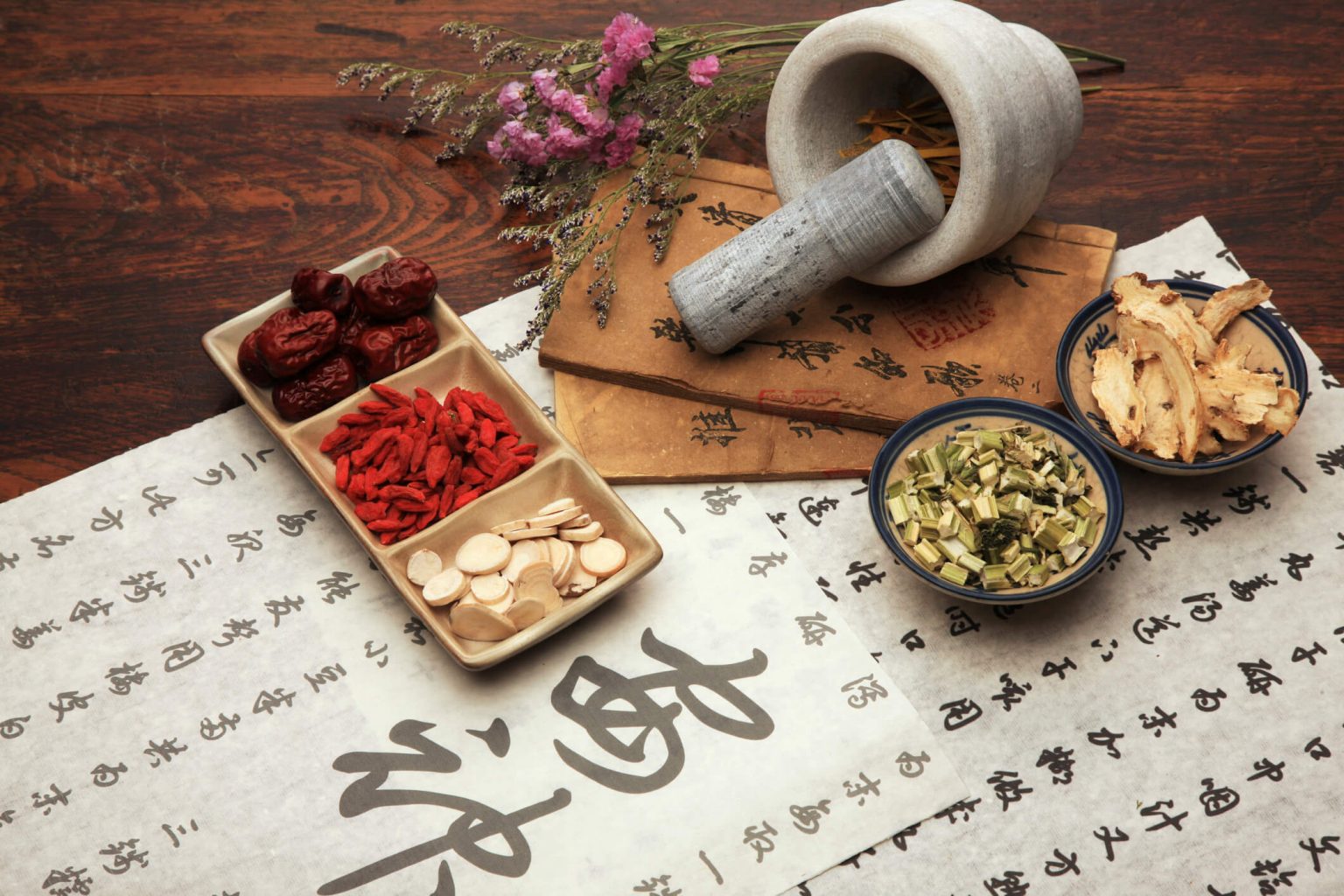
Rather than a profound celebration of Chinese culture, Chinamaxxing is more about the aesthetics and objects we associate with the country. For example, the videos depict drinking hot water as the Chinese cure-all, along with gua sha and herbs resembling a simpler version of Traditional Chinese medicine (TCM). Although not always accurately depicting the “Chinese” ways, for some the trend has transformed into a genuine enthusiasm for China and generated a lot of discussion online.
The Realities Behind Trends
This trend of Chinamaxxing can be interpreted in different ways. One explanation is that influencers wanted to cash in on the wave of popularity and gain new followers – a tactic proven successful for many of them. After the end of their “Chinese era” they pivot to loosely related content: wellness, sports, food, or travel.
The Chinamaxxing trend can also be seen as disillusionment with the developments in the West, particularly those in the US. As democratic values and economic security decline, the grass begins to look greener on the other side of the world. With all the turmoil in and around the US, to many young Westerners, America no longer sounds like the best place to be. Juxtaposed with the unfulfilled American dream, a quiet life in a Chinese city with functioning public transport, a relatively low cost of living, and enough free time for self-care is a vivid contrast. At the same time, the Chinese government makes a deliberate effort to officially distance itself from global conflicts and presents itself as an alternative that actively pursues peaceful solutions. In this context, Chinamaxxing videos made by young Americans are underlined by the notion that “the government lied to us about China” – a mindset present in Europe too.
Young Westerners already see China in a relatively positive light. A recent Politico survey found that young people from Canada, Britain, France, and Germany would prefer their country to be dependent on China rather than on the US under Trump. The survey explained that this is not because China is becoming more trustworthy but because the US is becoming less reliable in their eyes. That is to say, in its very essence, Chinamaxxing is not about China itself, but about China as contrasted with the US and about a longing for what seems to be missing from the current state of the “American dream.”
The Middle Kingdom’s Quiet Appeal
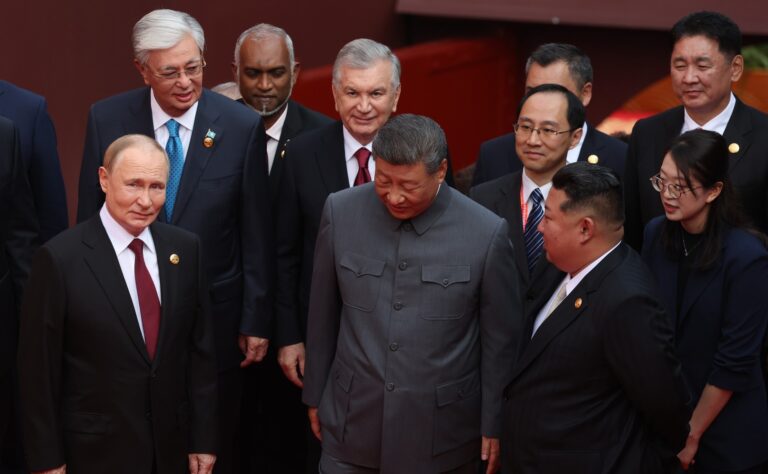
According to the Chinese philosophical concept of Tianxia, China has traditionally represented the center of civilization. The Middle Kingdom radiated harmony outward to the periphery full of “barbarians,” who aspired to learn from the center’s superior culture. This narrative has recently been revived by Beijing. As described by the recent EEAS report, China’s strategy is to build an image of a peace-making, development-oriented and cultured partner, while portraying the West as aggressive and chaotic. The Chinamaxxing trend, which shows China as a harmonious place where people enjoy simple activities like dancing or exercising in a park, reinforces the Chinese state narratives.
It is important to keep in mind that this life is not within reach for many Chinese people who face an ongoing housing crisis, youth unemployment that hovers around 16 percent, involution that chokes Chinese businesses, and endless working hours without much free time. For Chinese people, Chinamaxxing is simply not a choice – they cannot cherry-pick the appealing parts of Chinese reality and disregard the rest.
Viral Without Beijing’s Help?
But one important fact remains: the content went viral. Gen Z users of social media genuinely enjoy and continue to spread these short, entertaining videos, which is rare for online content depicting China favorably. Nobody saw this coming, especially since the West has been exposed to Chinese goods and Chinese propaganda through state-controlled media and other official channels for years without much success.
Paid foreign influencers have been another mainstay in Beijing’s strategy to make China look good abroad, but they have never gained the organic traction of Chinamaxxers. Their content was largely scripted and showed China’s advances from a consumer perspective – influencers visited self-service shops, paid with just the palm of their hand, rode high-speed trains, or visited happy-looking ethnic minorities. In contrast, Chinamaxxing videos appear less scripted, but more fun and creative, which makes them popular with the young crowd on TikTok and Instagram.
Are Europeans Also in Their Chinese Era?
How much the trend can actually improve perceptions of China will probably only be answered by future surveys. According to last year’s Pew Research Center study, young Europeans already perceive China more positively than older generations. This was true for young people (18–34) in Poland, France, Spain, Greece, and the Netherlands, with Hungary being the only exception. At the same time, young generations seem to be on China’s radar. A Chinese think-tank based in Hungary just published a survey on young Europeans’ perspectives of China, which signals that this demographic group is of interest to Beijing. The results showed that the Western Balkans, Romania, Bulgaria, Spain, and the UK perceive China most favorably, while the Czech Republic and the Nordic and Baltic countries are on the opposite side.
Tourism and culture are particularly strong pull factors. The aforementioned survey found that young Europeans are more impressed by Chinese culture, history, and natural sights than by its economic or military development. Chinese leadership capitalizes on this through expanding short-term visa-free entry. The move has paid off as foreign tourists are now back in China in large numbers. With easier access to China, Europeans won’t only see distant influencers promoting China on their social media, but also pictures of their friends’ trip to China. This growing firsthand exposure could gradually shape more positive and personal perceptions of China across Europe.
Ultimately, Chinamaxxing highlights how quickly perceptions can shift in the age of social media, where aesthetics and entertainment attract more interest than reality. It opened the door to greater curiosity about China, but the algorithm is now moving towards the next new trend. So although the glimpses of “Chinese” life and TCM tips were entertaining for many, China is a long way from achieving lasting popularity in the West.
Written by

Paulína Ovečková
Paulína Ovečková is an analyst at China Observers in Central and Eastern Europe (CHOICE) and MapInfluenCE projects. She specializes in Chinese foreign policy, political economy, media influence, migration, and China’s engagement in the Global South. She holds master’s degrees in Chinese Studies and Economic Policy and International Relations from Masaryk University, gaining professional experience as a media analyst and researcher in the private sector, and at the Slovak Economic and Cultural Office in Taipei.