Hungary’s relationship with China has been one of the most distinctive within the EU over the past decade. Under the Orbán government, engagement with Beijing was framed as a “win-win” partnership, embedded in the broader “Eastern Opening” strategy. In practice, however, the content of this cooperation has become increasingly contested. Following the recent elections and Orbán’s defeat, a full rupture is unlikely, but a gradual recalibration can be expected. The relationship will likely become less politically salient and more economically conditioned, with greater emphasis on transparency, regulatory compliance, and alignment with the EU frameworks.
Chinese investments – particularly in infrastructure and battery manufacturing – have been large-scale, state-supported, and strategically significant for Hungary. Projects such as the Budapest-Belgrade railway symbolized Hungary’s role as a logistical and industrial entry point into the EU. At the same time, these projects have raised persistent concerns: their costs have been high, economic returns uncertain, and implementation often opaque. In parallel, Hungary has actively competed for Chinese battery and electric vehicle FDI, offering substantial state subsidies to attract major firms. While these investments promised integration into future-oriented industries, their local impacts have been controversial: battery production is resource-intensive, raising concerns about water usage, environmental degradation, and regulatory oversight. Moreover, the structure of these investments risks creating an “enclave economy,” with limited spillovers to domestic firms and increasing dependence on external actors. In this context, Hungary’s China policy has been less about mutual interdependence and more about asymmetric integration.
China’s Absence in the Election Campaign
Against this backdrop, it is striking how little China featured in the recent election campaign. Despite the scale and visibility of Chinese projects, the issue remained largely below the political radar for both the government and the opposition. Even high-level diplomatic engagement – such as the visit of Chinese Foreign Minister Wang Yi ahead of the Munich Security Conference – was handled with minimal publicity and little substantive information was disclosed about the discussions. Similarly, the handover of the Budapest-Belgrade railway was not turned into a major political event, despite its symbolic importance – once strongly emphasized, but more recently treated with greater caution.
This relative silence was not accidental. For the Orbán government, emphasizing ties with China during the campaign carried political risks. The railway project had become a symbol of costly and opaque cooperation, with uncertain returns and ongoing technical limitations – reportedly not even fully suitable for passenger transport at this stage. Past experience likely played a role as well: the controversy surrounding the planned Fudan University campus had been effectively mobilized by the opposition in earlier electoral cycles, demonstrating the domestic political vulnerability of China-related projects.
At the same time, Tisza also avoided making China a central campaign issue. This reflected both strategic choice and voter priorities. Tisza’s campaign focused primarily on domestic concerns such as healthcare, education, and infrastructure, as well as anti-corruption efforts. Where foreign policy did appear, it centered on restoring Hungary’s position within the EU, rebuilding trust, improving relations with neighboring countries, and reducing dependence on Russian energy. China, by contrast, remained largely implicit – yet this very omission already suggested that a future government would not pursue an overtly China-centric strategy.
Emerging Signals of a New China Policy
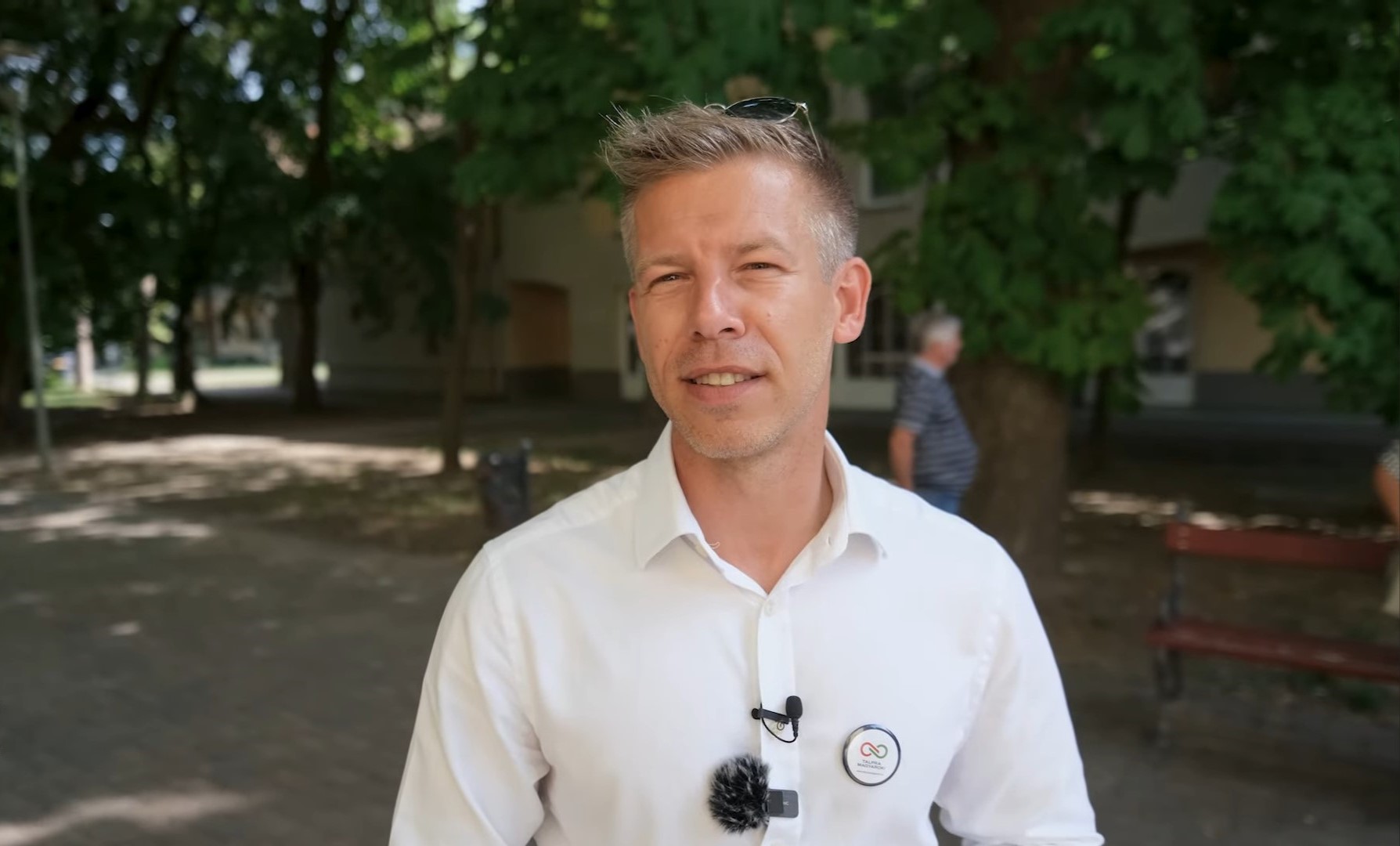
Since the election, however, early signals from the incoming leadership are indicating the likely direction of Hungary’s new China policy. Statements by figures such as Péter Magyar and Anita Orbán – set to serve as foreign minister in the Tisza government – suggest a shift toward a more pragmatic and calibrated approach. This does not imply a rupture since the existing Chinese investments are deeply embedded in Hungary’s economy and cannot simply be reversed. Nor would such a course be economically rational. Instead, the emerging approach appears to prioritize rebalancing. The emphasis is likely to shift toward ensuring that Hungary derives greater benefits from ongoing and future cooperation. This includes stronger local embeddedness, greater involvement of Hungarian firms in supply chains, and more meaningful opportunities for technological upgrading. Equally important is the enforcement of existing rules – particularly in areas such as environmental protection, labor standards, and transparency. In this sense, pragmatism does not mean passivity, but rather a more assertive management of economic relations.
This shift is also closely linked to broader foreign policy priorities. The new government has signaled that it intends to pursue a pragmatic foreign policy focused first on rebuilding relations with neighboring countries (with Péter Magyar’s first two visits expected to be to Warsaw and Vienna), then on restoring Hungary’s position within the EU (with Brussels as the third visit). China is likely to be positioned after these priorities, rather than as a central pillar of foreign policy. This reordering does not exclude cooperation, but it places it within a more structured and constrained framework.
From Beijing’s perspective, these developments are likely to be met with cautious attention. While Chinese officials have already signaled openness and offered early congratulations, there are reasons for concern. Hungary has served as a relatively reliable partner within the EU, offering both political support and an entry point for Chinese capital. A shift toward a more EU-aligned and rules-based approach may reduce this flexibility and increase regulatory uncertainty for Chinese companies.
Gradual Recalibration and Its Limits
Looking ahead, the most likely trajectory is neither continuity nor rupture, but gradual recalibration. Hungary is unlikely to abandon its role as a host for Chinese investment. The economic incentives may remain strong and existing projects create certain path dependencies that are difficult to reverse. At the same time, the political and regulatory environment is set to change. In practical terms, this may translate into stricter investment screening, greater transparency requirements, and closer alignment with EU-level policies toward China. It may also involve efforts to reduce the enclave-like nature of Chinese investments by strengthening linkages with the domestic economy. However, the scope of these changes will depend on broader economic conditions and the new government’s willingness to balance competing objectives – namely attracting investment while asserting greater control over its terms.
Ultimately, Hungary’s relationship with China is entering a new phase. The defining feature of this phase is likely to be pragmatism – not only as a slogan, but as a governing principle. This means recognizing both opportunities and constraints of engagement and managing the relationship accordingly. In doing so, Hungary may move closer to the European mainstream, where cooperation with China continues, but under more clearly defined and increasingly contested conditions.
At this stage, however, it is difficult to draw firm conclusions and much depends on how stated intentions translate into practice. The real test of this recalibration will lie in implementation. Decisions on new Chinese investments – particularly in the battery and EV sectors – will signal how far the government is willing to go. Equally important will be whether environmental and labor regulations are enforced more strictly in practice, and whether Hungarian interests are more effectively represented – for instance through greater involvement of local firms and stronger incentives for R&D activities. Finally, an alignment with the EU policies in sensitive areas such as investment screening and state support will indicate whether Hungary’s approach to China is structurally changing or merely rhetorically adjusted.
Written by

Ágnes Szunomár
Ágnes Szunomár is an Associate Professor at the Institute of Global Studies, Corvinus University of Budapest, and a Senior Research Fellow at the Institute of World Economics, HUN-REN Centre for Economic and Regional Studies, Hungary. She is also a CHOICE Fellow for Visegrád countries.